
Reducing food waste at home is a great way to save money, conserve resources, and reduce your environmental footprint. Every year, millions of tons of food are thrown away, much of which could have been eaten if managed better. Fortunately, there are many simple and practical steps you can take to cut down on food waste in your own kitchen. This guide will walk you through some effective strategies to help you use what you buy, reduce spoilage, and enjoy fresh meals with less waste.
Understanding Food Waste
Food waste happens when edible food is discarded or left uneaten. This can occur at various stages, from grocery shopping and storage to meal preparation and leftovers. Common reasons include buying too much, improper storage, misunderstanding expiration dates, or simply forgetting about food in the fridge.
By becoming more aware of these factors, you can make conscious choices to prevent waste and increase the value of the food you buy.
Plan Your Meals and Shopping
Make a Weekly Meal Plan
Planning your meals in advance helps you buy only what you need. Take a few minutes each week to outline breakfast, lunch, dinner, and snacks. This plan ensures you purchase ingredients that fit your menu, reducing the chance of excess food spoiling.
Create a Shopping List
Once your meals are planned, create a detailed shopping list and stick to it. Avoid impulse buys that may go unused. Using apps or printable lists can help organize your shopping trip and keep you focused.
Check Your Pantry and Fridge Before Shopping
Take inventory of what you already have. This prevents buying duplicates and helps you use up ingredients before they expire.
Store Food Properly
Proper storage extends the life of your food. Here are some tips:
– Refrigerate perishables promptly: Keep dairy, meat, and cut fruits/vegetables cold to slow spoilage.
– Use airtight containers: These keep food fresh longer by reducing exposure to air.
– Know how to store different foods: For example, tomatoes taste better at room temperature, while leafy greens last longer when wrapped in a damp paper towel inside a bag.
– Organize your fridge: Place items with nearer expiration dates at the front to remind you to use them first.
Practice Smart Portioning
Cooking too much food can lead to throwing leftovers away. Try these ideas:
– Cook the right amount: Use measuring cups or kitchen scales to prepare portions suited to your household size.
– Save leftovers: Store extra food safely in containers for later meals or freeze for future use.
– Share: If you cook a large meal, invite neighbors or friends over or share extras to avoid waste.
Understand Labels and Expiration Dates
Many people toss food based on date labels without fully understanding them. Here’s what to know:
– “Sell by” date: Indicates how long a store should display a product. Food is often still good after this date.
– “Best before” or “use by”: Suggests peak quality. Food might be safe to eat after this date but may lose flavor or texture.
– Always use your senses (smell, look, and taste) to judge food safety if the date has passed.
Get Creative With Leftovers
Leftovers don’t have to be boring or wasted. Try these tips:
– Reinvent meals: Use leftover vegetables in soups, stews, or stir-fries.
– Freeze extras: Many cooked foods freeze well and can be enjoyed later.
– Plan leftover nights: Dedicate one evening to eating only leftovers to clear your fridge regularly.
Compost Food Scraps
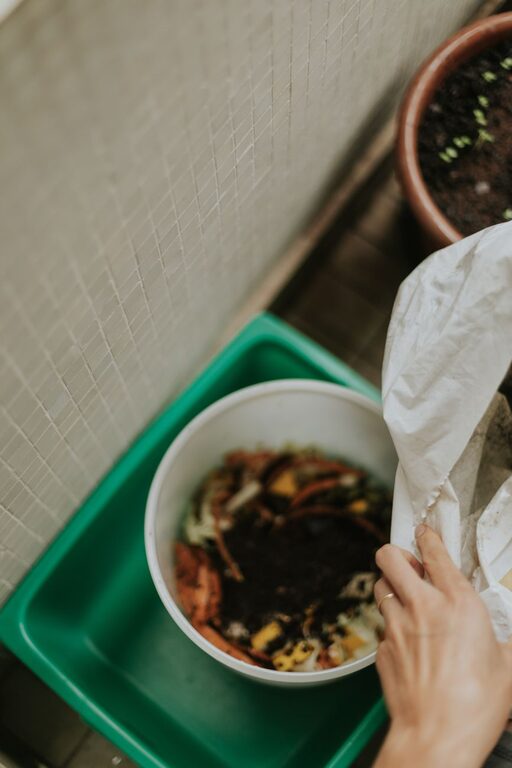
Some food parts, like peels and cores, may not be edible but are compostable. Composting turns organic waste into nutrient-rich soil, reducing landfill contributions.
– Collect scraps in a kitchen bin.
– Use a backyard compost pile or a composting service.
– If composting isn’t possible, check if local programs accept food scraps for recycling.
Educate Your Household
Everyone in your home can help reduce food waste. Share these tips and involve family members in planning, shopping, cooking, and storage. Encourage mindful eating and proper portion sizes.
Benefits of Reducing Food Waste
– Financial savings: Less food discarded means more value from your grocery budget.
– Environmental impact: Reduces methane emissions from landfills and conserves water and energy used to produce food.
– Improved nutrition: Planning encourages balanced meals and less reliance on convenience foods.
– Less clutter: A well-organized fridge and pantry reduce stress and make cooking easier.
—
Reducing food waste at home may take some effort at first, but the results are rewarding. By planning carefully, storing food properly, understanding labels, and making use of leftovers, you can make a big difference. Start small and build habits that work for your lifestyle. Every meal saved from the trash is a step toward a more sustainable, enjoyable kitchen.