
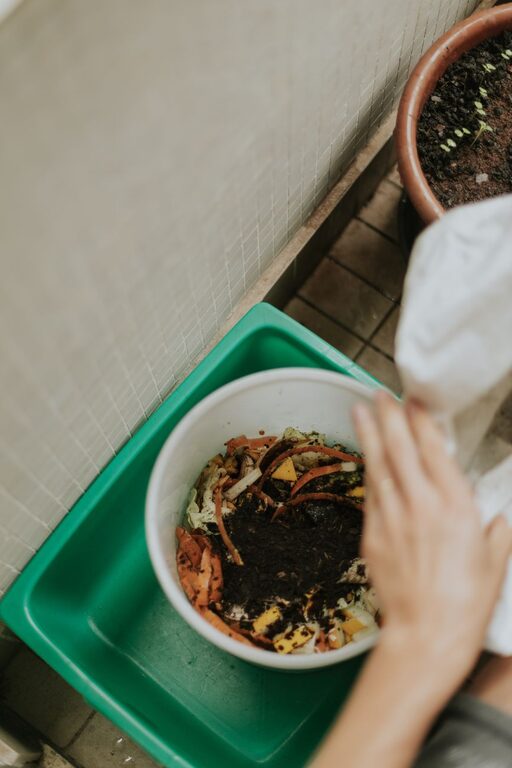
Composting at home is a rewarding way to reduce waste, enrich your garden soil, and support a healthier environment. If you’re new to composting, it might seem a bit overwhelming at first, but with a few easy tips, you can start turning your kitchen scraps and yard clippings into valuable compost right away. This guide will walk you through the basics and help you build a composting routine that works for your home.
What Is Composting?
Composting is the natural process of recycling organic matter, like food scraps and yard waste, into a rich soil amendment. Instead of sending these materials to a landfill, composting turns them into nutrient-packed humus that improves soil structure, helps plants grow, and retains moisture.
Why Compost at Home?
– Reduce your household waste: Composting keeps a significant amount of organic waste out of landfills.
– Create natural fertilizer: Compost adds essential nutrients to your garden soil without chemical fertilizers.
– Improve soil health: It enhances soil texture and increases its ability to hold water.
– Support the environment: Composting lowers methane emissions from landfills and reduces your carbon footprint.
Getting Started: Basic Composting Tips
1. Choose Your Composting Method
There are several ways to compost at home, so pick one that fits your space and lifestyle:
– Compost Bin: A simple container or vented bin kept in your backyard. It’s tidy and helps contain heat and moisture.
– Compost Pile: If you have ample yard space, you can create an open pile. It requires a bit more maintenance but is cost-free.
– Tumbler Composters: These rotating bins speed up the composting process by making it easier to mix materials.
– Indoor Composting: Use a worm bin (vermicomposting) or bokashi system if you have limited outdoor space.
2. Know What to Compost: Browns vs. Greens
To make healthy compost, balance “green” and “brown” materials:
– Greens: These are nitrogen-rich and moist. Examples include fruit and vegetable scraps, coffee grounds, grass clippings.
– Browns: These are carbon-rich and dry. Examples include dry leaves, shredded paper, cardboard, straw.
Try to use about 3 parts browns to 1 part greens to maintain the right balance for decomposition.
3. Avoid Adding These Items
Keep these out of your compost to prevent odors, pests, or slow breakdown:
– Meat, fish, poultry, dairy products
– Oils and greasy foods
– Pet waste from carnivores
– Diseased plants or weeds with seeds
– Treated wood or charcoal ashes
4. Maintain Your Compost
Proper care helps compost break down efficiently:
– Aerate: Turn or mix your compost every 1-2 weeks to provide oxygen.
– Moisture: Keep the pile as moist as a wrung-out sponge. Water if it’s too dry; add dry browns if too wet.
– Size: Chop or shred larger materials to speed decomposition.
– Location: Choose a shaded spot with good drainage.
5. Know When Compost is Ready
Finished compost looks, smells, and feels like rich, dark soil:
– It should be crumbly and earthy smelling.
– Original materials should be unrecognizable.
– This process can take anywhere from 2 months to a year depending on conditions.
Troubleshooting Common Composting Issues
– Bad odor: Usually means too many greens or lack of airflow. Add dry browns and turn the pile.
– Pests: Avoid adding meat and cover food scraps with browns. Use a bin with a lid if needed.
– Slow decomposition: The pile may be too dry, too cold, or not mixed enough. Moisturize, turn it, and consider adding more greens.
Tips for Using Your Homemade Compost
Once your compost is ready, you can:
– Mix it into garden beds to improve soil structure and fertility.
– Use it as mulch around plants to retain moisture and suppress weeds.
– Add it to potting soil for container gardening.
– Topdress lawns to promote healthy grass growth.
Final Thoughts
Composting at home is a practical step toward a greener lifestyle. It doesn’t require special skills or lots of time—just some basic knowledge, a little effort, and consistency. Start small, observe how your compost behaves, and adjust as you go. With these beginner tips, you’ll soon enjoy the benefits of healthy soil and reduced waste. Happy composting!